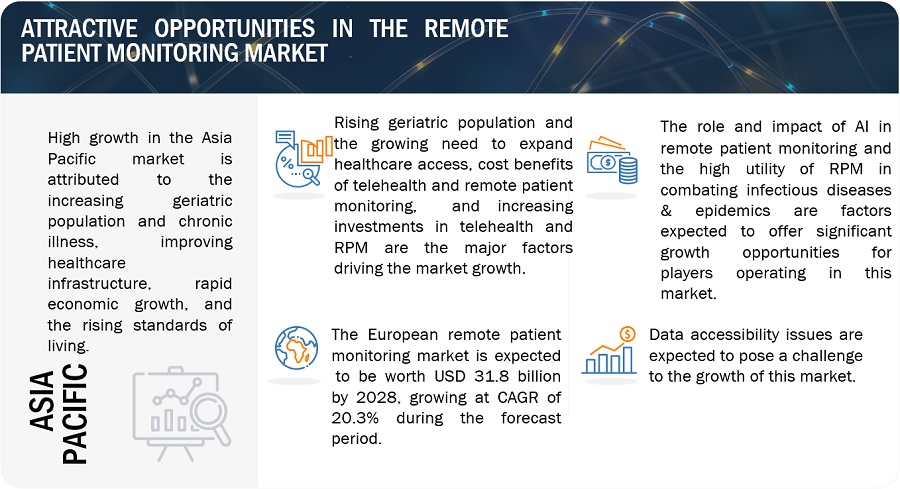
The healthcare industry is witnessing a transformative era, where Remote Patient Monitoring (RPM) systems are leading the way. The global RPM market is projected to soar from USD 71.9 billion in 2023 to a staggering USD 207.5 billion by 2028, at a compound annual growth rate (CAGR) of 23.6%. This rapid growth is primarily fueled by the increasing demand for better healthcare access, particularly among the aging population, alongside the rising prevalence of chronic diseases such as diabetes, hypertension, and cardiovascular diseases.
In this article, we delve into the key aspects that are driving the RPM market forward, the major players involved, and how this technology is reshaping healthcare systems globally.
1. What is Remote Patient Monitoring (RPM)?
Remote Patient Monitoring refers to the use of technology to monitor patients’ health data from a distance, typically outside traditional healthcare settings such as hospitals or clinics. RPM systems enable continuous monitoring of vital signs like heart rate, blood pressure, glucose levels, and more. Through telehealth platforms, RPM reduces the need for regular in-person visits, empowering healthcare providers to manage patients' conditions in real-time.
The Importance of RPM in Modern Healthcare
The healthcare industry faces a growing challenge as the population ages and chronic diseases become more prevalent. According to the World Health Organization (WHO), the number of people aged 60 years and older is expected to more than double by 2050. Moreover, chronic diseases like diabetes, hypertension, and cardiovascular disease are on the rise globally.
RPM provides a solution by allowing healthcare providers to monitor these chronic conditions effectively, thus reducing hospital admissions, enhancing patient care, and improving outcomes. Moreover, RPM’s ability to deliver healthcare services in real-time significantly improves access, especially for those in remote or underserved areas.
2. Key Drivers Behind the Growth of the RPM Market
The meteoric rise of RPM can be attributed to several key factors, including:
a. Aging Population and Chronic Diseases
As the global population continues to age, the burden of chronic diseases grows. Elderly individuals often require long-term care and frequent monitoring, making RPM an ideal solution to reduce the strain on healthcare systems while ensuring continuous care.
b. Increased Adoption of Telehealth
Telehealth and RPM services provide cost-effective solutions, enabling doctors to manage patients remotely while reducing hospital congestion. This has been especially relevant during the COVID-19 pandemic when the need for non-contact care soared.
c. Technological Advancements
Technological advancements such as cloud computing, artificial intelligence (AI), and machine learning (ML) have enabled RPM systems to become more accurate, efficient, and scalable. AI-powered RPM devices can analyze patient data in real-time, providing early detection of health issues and improving patient outcomes.
d. Rise of Wearable Devices
Wearable technology such as smartwatches, fitness trackers, and connected health devices have become an integral part of RPM. These devices provide real-time health monitoring and data collection, allowing healthcare providers to make timely decisions about patient care.
3. Leading Players in the RPM Market
Several companies are at the forefront of the RPM revolution, providing innovative products and solutions that are shaping the future of healthcare. Some of the top players include:
Philips is a dominant force in the RPM market, leveraging its wide-ranging expertise across healthcare sectors. The company’s Connected Care business offers a variety of RPM devices that allow healthcare providers to track and manage patients remotely. Philips has also been focusing on collaborations and product innovations to expand its RPM portfolio and maintain market leadership.
Medtronic, a global leader in healthcare technology, provides advanced telehealth solutions through its various business units, including cardiovascular, neurosurgical, and diabetes portfolios. Medtronic’s LINQ II Insertable Cardiac Monitor (ICM) received FDA approval for pediatric patients in 2022, positioning the company as a leader in cardiac monitoring.
Omron is another major player known for its blood pressure monitors and home health equipment. Its RPM program, VitalSight, helps patients track key health metrics such as blood pressure and weight from home, ensuring that doctors can intervene in time if needed.
Abbott manufactures remote monitoring devices such as glucose meters and cardiac monitors, which are widely used to track chronic conditions. Abbott’s strong portfolio of medical devices and mobile health apps makes it a major player in the RPM market.
e. Other Key Players
Other significant companies in the RPM market include Biotricity, ResMed, BioTelemetry, and Boston Scientific. Each of these players brings specialized RPM solutions that cater to various healthcare needs such as sleep apnea, cardiovascular health, and respiratory conditions.
4. Technological Innovations and Trends in RPM
The RPM market is being revolutionized by technological innovations that have significantly improved the efficiency, reliability, and scalability of remote healthcare solutions. Key trends include:
a. Artificial Intelligence and Machine Learning
Artificial Intelligence and Machine Learning are enabling RPM devices to analyze vast amounts of health data in real time. AI-powered algorithms can detect early signs of deterioration, allowing healthcare providers to intervene before a patient’s condition worsens. For instance, AI in RPM helps predict heart attacks by analyzing continuous heart rhythm data from cardiac monitors.
b. The Internet of Things (IoT) in Healthcare
The Internet of Things (IoT) is another major innovation driving RPM adoption. IoT-enabled RPM devices can collect and transmit patient data from a wide range of devices, including wearable trackers, smart home devices, and implantable monitors, allowing for seamless integration with healthcare systems.
c. Cloud-Based Solutions
Cloud computing plays a pivotal role in RPM by providing secure, scalable platforms for data storage and analysis. Cloud-based RPM platforms enable healthcare providers to access patient data in real time, regardless of location, making it easier to manage and monitor patients remotely.
5. Challenges Facing the RPM Market
While RPM presents numerous benefits, several challenges could hinder its widespread adoption:
a. Regulatory Barriers
Different countries have different regulations regarding telehealth and RPM services, which can create barriers for companies looking to expand globally. Regulatory discrepancies between regions can also delay product approvals and market entry.
b. Data Security and Privacy Concerns
With the increased use of digital health solutions comes the concern of data security. Patients’ health data is highly sensitive, and any breaches in cybersecurity could compromise patient trust in RPM systems. Strict regulations such as HIPAA in the U.S. are designed to protect patient data, but companies must ensure compliance to avoid legal repercussions.
c. High Initial Costs
While RPM systems can lead to cost savings in the long run, the initial investment required for the devices and supporting infrastructure can be prohibitive for smaller healthcare facilities and clinics. Additionally, many RPM devices are not yet covered by insurance, making them less accessible for patients.
6. The Future of Remote Patient Monitoring
The future of RPM is incredibly promising, with continuous advancements in AI, IoT, and wearable devices expected to drive market growth. As more healthcare systems across the globe adopt telehealth and RPM solutions, the market will continue to expand, with North America currently holding the largest market share.
a. Integration with Personalized Medicine
As healthcare becomes more personalized, RPM is likely to play a key role in providing tailored treatment plans based on real-time health data. Wearables and implantables will collect patient-specific data that can be analyzed using AI, enabling healthcare providers to offer personalized care and early interventions.
b. Expanding Access to Rural and Underserved Areas
RPM has the potential to revolutionize healthcare access in rural and underserved regions where traditional healthcare facilities may not be easily accessible. By offering remote monitoring solutions, healthcare providers can bridge the gap between patients and quality care, regardless of their geographic location.
c. Long-Term Impacts of COVID-19
The COVID-19 pandemic accelerated the adoption of telehealth and RPM, and the long-term effects are likely to sustain this trend. Healthcare systems worldwide are recognizing the benefits of remote care in reducing the burden on hospitals and improving patient outcomes. Post-pandemic, RPM is expected to become an integral part of healthcare delivery.
Conclusion
Remote Patient Monitoring is undoubtedly reshaping the future of healthcare. By allowing for continuous monitoring, early detection of health issues, and personalized treatment plans, RPM enhances patient outcomes while reducing costs. The integration of AI, IoT, and wearable devices further propels RPM's growth, making it a vital component of modern healthcare systems.
As technological advancements continue, and as more healthcare providers and patients recognize the benefits, the RPM market is poised for exponential growth, making it one of the most promising areas in healthcare today.